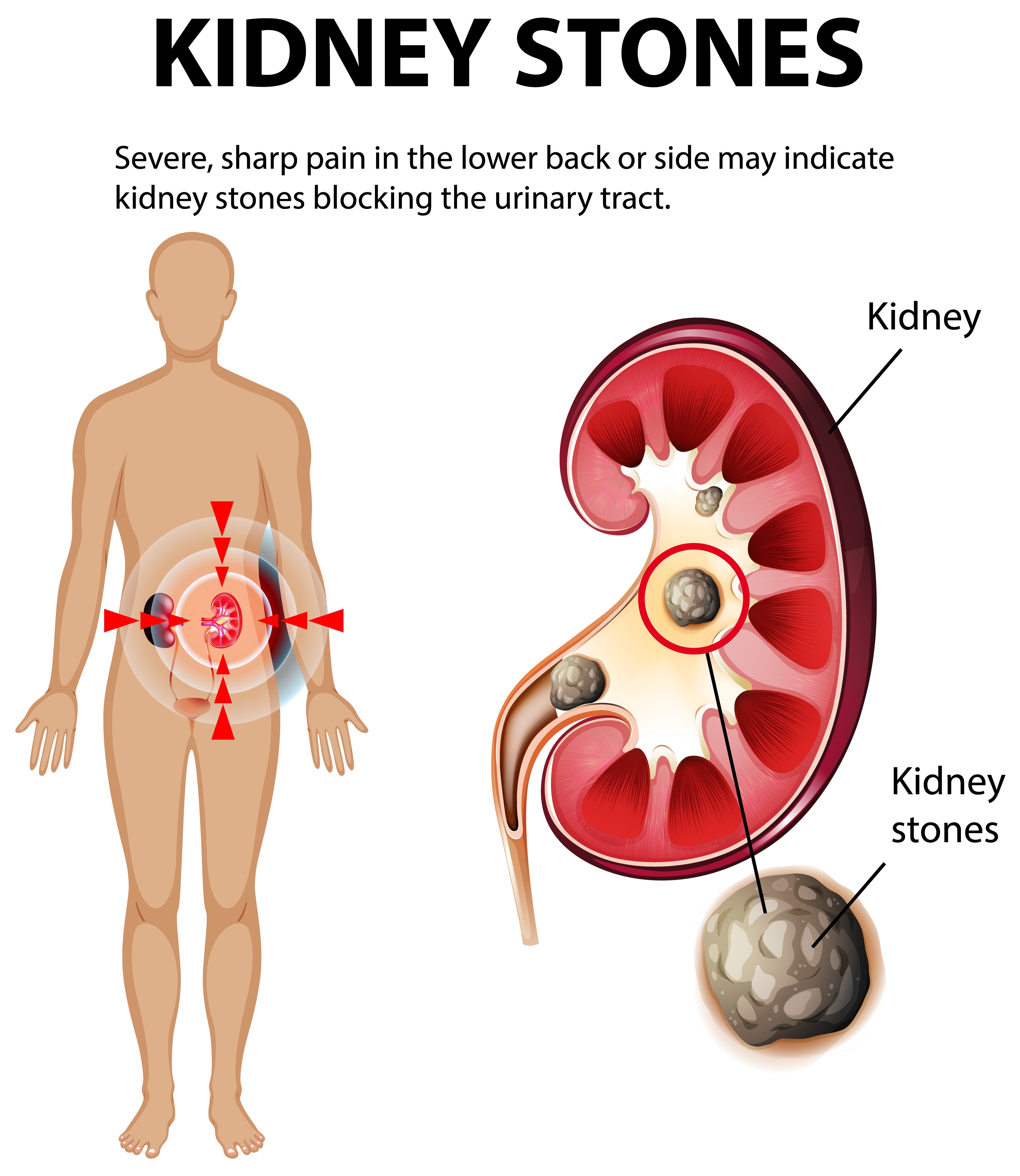
A laser is not automatically the best answer to every kidney stone. Your decision depends on where the stone sits, how large or hard it is, whether urine is blocked or infected, and how its likely results compare with observation, shock-wave treatment, PCNL and other procedures.
Key takeaways
- Ureteroscopy uses a laser fibre passed through the urinary tract, not through the skin.
- CT size and location help determine whether laser treatment is necessary and safe.
- Compare ureteroscopy with ESWL and PCNL based on stone size, location and density.
- Ask how long a ureteric stent will remain and which symptoms require prompt review.
What Laser Stone Treatment Actually Involves
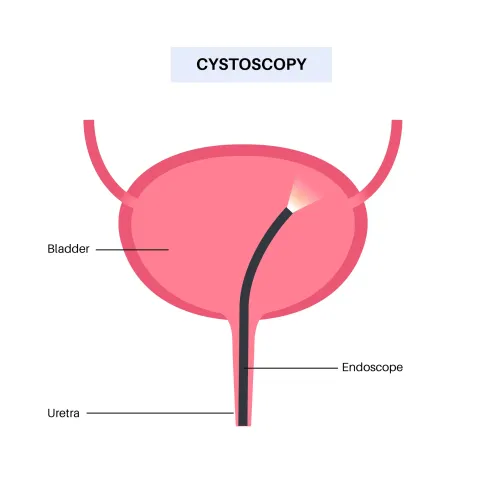
A laser kidney stone treatment in Pune usually means ureteroscopy with laser lithotripsy, not a laser applied through the skin. The urologist passes a thin scope through the urethra and bladder, enters the ureter or kidney, and directs a laser fibre at the stone.
The laser breaks it into removable fragments or fine dust that passes in urine.
| Location | How the scope and laser are used |
|---|---|
| Lower ureter | The scope reaches the stone directly; fragments are removed or left to pass. |
| Middle ureter | The scope follows the ureter upward and breaks the stone in place. |
| Upper ureter | The stone is fragmented, with care taken to prevent pieces moving back into the kidney. |
| Kidney | Flexible ureteroscopy, also called RIRS, reaches selected kidney stones through the ureter and dusts or extracts them. |
The procedure is different from ESWL, which breaks stones with shock waves from outside the body. PCNL reaches a larger kidney stone through a small skin tract, while laparoscopic or open surgery uses abdominal access.
Observation or prescribed medication can suit a small, uncomplicated ureteric stone, so the presence of a laser alone does not justify surgery.
Stone size, hardness, number, CT density, anatomy and obstruction affect the choice. An infected, blocked kidney needs urgent drainage and antibiotics first; definitive laser removal waits until the infection has cleared. Ask, “is laser kidney stone treatment right for me in Pune?” based on these findings, not availability alone.
Which Tests Show Whether Treatment Is Safe and Necessary
A scan alone does not decide whether treatment is necessary. To answer “is laser kidney stone treatment right for me in Pune,” the urologist must review:
- A urine routine test and urine culture with antibiotic sensitivity.
- Serum creatinine and estimated glomerular filtration rate to assess kidney function.
- A complete blood count when infection or significant inflammation is suspected.
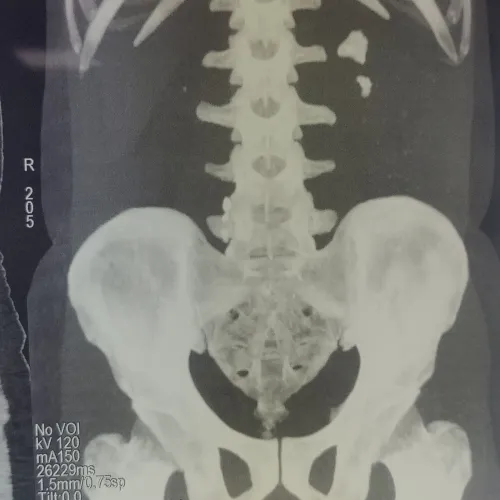
- Non-contrast CT findings: stone size, number, location, density, obstruction, hydronephrosis and urinary-tract anatomy.
An infected, obstructed kidney requires urgent drainage, not immediate stone fragmentation. Fever, chills, low blood pressure, confusion or pus-infected urine with a blocked ureter calls for antibiotics plus a ureteric stent or nephrostomy. Treat the infection and wait for clinical improvement and appropriate culture results before definitive laser removal.
The test results help compare treatment paths rather than justify laser automatically.
| Finding | What it may support | Why it matters |
|---|---|---|
| Small ureteric stone, no infection or kidney damage | Observation or medication | The stone may pass without an operation |
| Favourable stone size and position | SWL or ureteroscopy with laser | CT density and location affect clearance |
| Large or complex kidney stone | PCNL | A scope through the skin may clear more stone |
| Obstruction, fever or infected urine | Drainage and antibiotics first | Laser treatment waits until infection resolves |
Ask how the CT, culture and kidney-function results change the proposed plan, including whether observation, medical expulsive treatment, SWL, URS/RIRS or PCNL is safer.
How Laser Compares With Other Kidney Stone Surgery Options in Pune
Ureteroscopy with laser is usually a stronger choice when a stone causes obstruction or persistent pain, or is unlikely to pass, particularly in the upper, middle or lower ureter. It is a weaker choice when a small, uncomplicated kidney stone can be monitored safely or treatment can wait until infection is treated.
| Option | Better fit | Main limitation |
|---|---|---|
| Observation | Small, non-obstructing kidney stone without troublesome symptoms | Requires follow-up imaging and does not stop growth or obstruction |
| Medication | Selected lower-ureter stone with stable kidney function and no infection | Helps passage in some cases; it does not remove most stones |
| ESWL | Small-to-medium stone with a clear shock-wave path and favourable density | Hard, lower-pole or poorly positioned stones may need repeat sessions |
| Ureteroscopy with laser | Ureter or kidney stone requiring active removal, including stones unsuitable for ESWL | Requires anaesthesia; a stent and repeat procedure may be needed |
| PCNL | Large, multiple or complex kidney stones, especially high stone burden | More invasive because instruments enter through the skin |
| Laparoscopic surgery | Unusual anatomy or failure of endoscopic treatment | Abdominal surgery with greater recovery demands |
| Open surgery | Exceptional reconstruction or complex cases after less-invasive options fail | Largest incision and longest recovery |
The practical choice among kidney stone surgery options in Pune depends on non-contrast CT findings, stone size, location, density, anatomy and obstruction.
Before choosing laser kidney stone treatment in Pune, confirm that urine culture and kidney-function results were reviewed, and ask why URS, ESWL or PCNL offers the best balance for your symptoms, anaesthesia risk and likelihood of one-session clearance.
What to Expect From Anaesthesia, Recovery and a Ureteric Stent
Most ureteroscopy with laser lithotripsy is performed under general anaesthesia, so you are asleep while the urologist passes the scope through the urethra and bladder into the ureter or kidney. The laser breaks the stone into removable fragments or fine dust; a basket may retrieve pieces, while small particles pass in urine.
After laser kidney stone treatment in Pune, many patients go home the same day after observation, although a larger procedure or another medical condition can require an overnight stay. Burning during urination, urinary frequency, pink urine and mild flank discomfort are common for a short period.
Follow the discharge instructions, drink the advised amount of fluid, and take only the prescribed medicines.
A temporary ureteric stent is a thin tube running from the kidney to the bladder. It keeps urine draining when swelling, stone fragments or a narrow ureter could block flow after treatment. The stent can cause urgency, bladder discomfort or intermittent blood in the urine, but these symptoms usually improve after removal.
Before leaving, confirm:
- The planned stent removal date and method; a stent must not be forgotten.
- Which pain, nausea or urinary medicines to take, and for how long.
- Which activities to avoid during recovery.
- Where to seek urgent care for fever, chills, worsening pain, vomiting, inability to pass urine or heavy bleeding.
If an obstructed kidney has an infection, drainage and antibiotics come first; definitive laser removal waits until the infection resolves.
How to Make the Decision With a Pune Urologist
The right choice is the treatment that fits your stone, health risks and prevention plan—not simply the procedure using a laser. Ask a kidney stone urologist in Pune, “is laser kidney stone treatment right for me in Pune?” and request a clear reason for choosing ureteroscopy over alternatives.
- What do my non-contrast CT findings show about size, location, density, obstruction and kidney anatomy?
- Have you reviewed my urine culture, kidney function and infection risk before scheduling treatment?
- How many procedures do you expect, and what would make you change to PCNL or another option?
- How many flexible ureteroscopies do you perform for stones in my location?
- Will I need a stent, for how long, and how will it be removed?
- What is the complete estimate, including anaesthesia, stent removal, imaging and a possible second procedure?
- When will you arrange follow-up imaging, stone analysis and metabolic testing?
| Option | Question to ask | Follow-up implication |
|---|---|---|
| Observation or medication | Is passage safe for this stone? | Agree on imaging and warning symptoms |
| SWL | Does CT density and location favour shock waves? | Plan for fragments or repeat treatment |
| URS or RIRS with laser | Can you clear it in one session? | Confirm stent and residual-fragment review |
| PCNL | Is the stone burden too large for ureteroscopy? | Discuss bleeding risk and hospital recovery |
A consultation with Urologist in Kothrud Pune - 08048400823 is useful when it compares kidney stone surgery options in Pune and documents prevention: stone composition, fluid targets, diet changes and medication only when testing supports them.
Related service
Kidney Stones Laser Treatment For Kidney Stones We are providing advance laser treatment surgery and extra corporeal lithotripsy treatment of kidney stones and related issues View service → |
Frequently asked questions
What does laser kidney stone treatment in Pune involve?
A urologist passes a thin ureteroscope through the urethra and bladder into the ureter or kidney, then uses a laser fibre to break the stone into fragments or dust.
Which tests determine whether laser stone treatment is necessary?
Urine testing, blood tests, ultrasound or X-ray, and a non-contrast CT scan show infection, kidney function, stone size, location and density.
How does laser treatment compare with other kidney stone surgery options in Pune?
Ureteroscopy suits many ureter and kidney stones, while ESWL uses shock waves from outside the body and PCNL removes larger or complex stones through a small back incision.
What should I expect from anaesthesia, recovery and a ureteric stent?
Ureteroscopy is performed under anaesthesia. Expect urinary discomfort or blood after the procedure, and ask when the stent will be removed and which symptoms need urgent care.
How can I decide whether laser kidney stone treatment is right for me in Pune?
Review the scan, stone size and location, urine results, kidney function, infection risk, treatment alternatives, likely procedures and stent plan with a Pune urologist.
Keywords