
Urinary burning, urgency, weak flow, night-time urination or repeated “UTIs” lasting weeks need more than another automatic antibiotic course. You will learn how to recognise urgent warning signs, prepare for a specialist visit, understand the tests involved and choose appropriate follow-up care in Pune.
Key takeaways
- Seek specialist review when urinary symptoms persist for several weeks or keep returning.
- Visible blood in urine needs assessment, even without pain.
- Urine tests, ultrasound and flow testing answer different diagnostic questions.
- Do not wait with fever, severe flank pain, vomiting or inability to urinate.
When Ongoing Urinary Symptoms Need Specialist Assessment
An ongoing urinary problem means symptoms lasting several weeks or returning after treatment, not simply one uncomplicated bladder infection. Frequency, urgency, burning, weak stream, incomplete emptying, nocturia, recurrent infections and visible blood in the urine all warrant review when they persist.
Recurrent UTI means at least two symptomatic, culture-confirmed episodes within six months or at least three within 12 months. Counting every episode of burning can mislabel stones, obstruction, overactive bladder, urethritis or bladder pain syndrome as infection. Repeated antibiotics without a urine culture can select resistant bacteria, cause side effects and delay the correct diagnosis.
Persistent blood also needs follow-up after infection treatment to assess for stones, kidney disease or urinary-tract cancer.
Seek urgent care if you have:
- Inability to pass urine, or severe lower-abdominal pain with a distended bladder
- Fever or chills with flank pain, which suggests possible kidney infection rather than uncomplicated cystitis
- Vomiting with suspected obstruction, severe one-sided pain or rapidly worsening symptoms
- Visible blood clots in the urine
- Obstruction in a solitary kidney
Fever with flank pain may require urine culture, renal-function testing, intravenous antibiotics or hospital care. If you are searching for a urologist in pune for ongoing urinary problems, a urologist in pune should assess repeated or unexplained symptoms instead of automatically renewing antibiotics.
What Your Symptoms May Point To and How the First Consultation Works
A positive urine culture supports infection; burning alone does not. Burning after sexual exposure with urethral discharge raises concern for urethritis, so a urologist in Pune may order nucleic-acid amplification testing for gonorrhoea and chlamydia. Sexual partners may also need evaluation and treatment.
| Symptom pattern | Possible explanation | What separates it |
|---|---|---|
| Colicky pain on one side | Ureteric stone | Imaging and urine testing |
| Weak stream, hesitancy, intermittency, straining or incomplete emptying | Prostate-related obstruction or urethral narrowing | Examination, urinalysis and post-void residual; these symptoms do not prove benign prostate enlargement |
| Urgency with frequent small voids | Overactive bladder or pelvic-floor dysfunction | Bladder diary and assessment after infection is excluded |
| Persistent visible blood | Stone, kidney disease or urinary-tract cancer | Repeat urinalysis, kidney-function testing and risk-based imaging or cystoscopy |
Bring a symptom timeline, previous urine-culture reports, scan images, antibiotic and medication lists, allergy information, diabetes details, and records of daytime frequency and night-time urination.
A urinary tract doctor in Pune reviews fluid, caffeine, alcohol and evening intake, examines you when appropriate, and may use a bladder diary to compare intake, voided volumes, urgency and leakage. Persistent blood needs follow-up even when burning improves after antibiotics.
Which Tests Answer Which Urinary Question
Each test answers a different urinary question. Urinalysis looks for blood, white cells, protein, glucose and other clues. Urine culture identifies bacteria and antimicrobial susceptibility, making it important after treatment failure, relapse, atypical symptoms or repeated antibiotic exposure. A dipstick cannot show which antibiotic will work.
| Test | Question answered | What it cannot establish |
|---|---|---|
| Urinalysis | Are blood, white cells, protein or glucose present? | The exact cause or effective antibiotic |
| Urine culture | Which bacteria are present, and which antimicrobials affect them? | Whether every urinary symptom comes from infection |
| Serum creatinine | How well are the kidneys filtering? | The location of an obstruction |
| Ultrasound | Are there kidney swelling, stones, bladder changes or residual urine? | Every ureteric stone or every cancer |
| Post-void residual | How much urine remains after voiding? | The cause of a high result |
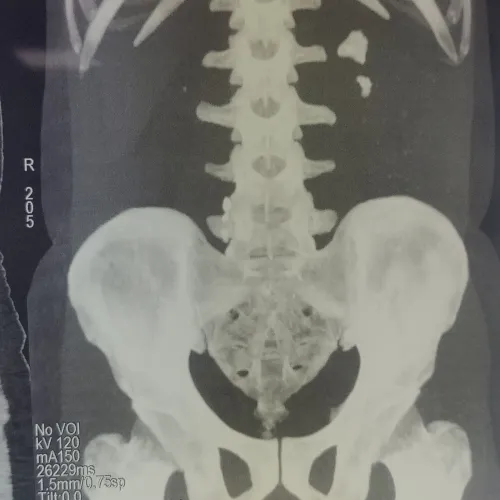
| Non-contrast CT | Is an adult ureteric stone present? | Whether the stone will pass without clinical assessment |
| MRI | Is there a selected soft-tissue abnormality? | A complete explanation for routine urinary symptoms |
| Cystoscopy | Are the urethra and bladder visibly narrowed, bleeding or abnormal? | Kidney or ureter disease outside its view |
A high post-void residual can reflect obstruction, weak bladder contraction, neurological disease or inaccurate measurement. Interpret it with symptoms, uroflowmetry, renal function and imaging. Uroflowmetry records volume and flow over time; arrive with a comfortably full bladder and provide a normal stream. One abnormal curve does not prove disease.
Non-contrast CT is more sensitive for adult ureteric stones; ultrasound avoids radiation and is useful when exposure should be minimised, including pregnancy. MRI answers selected soft-tissue questions. A urology clinic in Pune offering urological services in Pune should match each test to the question rather than order every investigation routinely.
How Diagnosis Changes Treatment for Recurrent Infection, Stones and Retention
Treatment changes when testing identifies the cause. For suspected recurrent bacterial UTI, give a urine sample for culture before antibiotics when feasible. Compare the organism and susceptibility report with previous cultures, then check kidney function, allergies and recent antibiotic exposure. Repeated empiric prescriptions can select resistant bacteria and cause adverse effects.
In women with recurrent uncomplicated UTI, prevention may include identifying triggers, avoiding treatment for asymptomatic bacteriuria, patient-initiated therapy, one post-coital dose or continuous low-dose prophylaxis. Pregnancy, kidney disease, resistance and the confirmed culture diagnosis determine which option is safe.
| Cause | Treatment direction | What changes the decision |
|---|---|---|
| Infection | Culture-directed antibiotic or prevention plan | Prior organisms, susceptibility, allergies and kidney function |
| Stone | Observation, medical expulsive treatment, shock-wave treatment, ureteroscopy or percutaneous surgery | Location, obstruction, infection, composition, pain control and likelihood of passage |
| Acute retention | Immediate bladder drainage, followed by cause-specific treatment | Prostate obstruction, urethral stricture, medicines, constipation or neurological disease |
Stone treatment does not depend on size alone. Acute inability to urinate, severe lower-abdominal pain with a distended bladder or rapidly worsening retention needs urgent care; drainage comes before investigating the cause. A urologist in Pune or urinary tract doctor in Pune should reassess persistent symptoms with repeatedly negative cultures instead of repeating antibiotics.
Blood that remains after infection treatment needs repeat urinalysis, kidney-function assessment, risk-based imaging and cystoscopy. These checks help exclude stones, kidney disease and urinary-tract cancer.
Choosing Ongoing Urology Care in Pune and Knowing When Not to Wait
Choose routine follow-up when symptoms are stable; choose urgent assessment when urinary function or general health is deteriorating. Search a urologist in Pune, a urology clinic in Pune or urological services in Pune for follow-up that includes culture review, renal-function assessment, ultrasound, post-void residual measurement, stone evaluation, retention management and referral for hospital treatment.
| Situation | What to do | Why it matters |
|---|---|---|
| Stable urgency, weak flow, recurrent culture-confirmed infections or night-time urination | Book a routine consultation | The cause and test results can be reviewed over time |
| Unable to urinate or rapidly worsening retention | Seek urgent medical assessment | Delayed drainage can damage the bladder and kidneys |
| Fever with flank pain, severe renal colic with fever or repeated vomiting | Go for urgent assessment | Kidney infection with obstruction can require intravenous antibiotics or hospital care |
| Heavy blood or clots in urine | Seek prompt medical care | Clots can block urine flow, and persistent bleeding needs investigation |
Ask whether the clinician will examine previous cultures, antibiotic exposure, allergies, kidney function and scan findings before prescribing again. Repeated antibiotics without confirmed infection can select resistant bacteria and delay diagnosis of stones, obstruction, overactive bladder or bladder pain syndrome.
- Urine-culture and susceptibility reports
- Scan images and written reports
- Medication and allergy lists
- A bladder diary showing frequency, urgency, volumes and night-time urination
Patients in Kothrud can contact Urologist in Kothrud Pune - 08048400823 for specialist assessment and bring these documents. The goal is a documented diagnosis, treatment linked to test results and a defined reassessment date.
Related services
Urology Treatment Urology is the field of medicine that is associated with the diseases and disorders of the male and female urinary tract. View service → |
Urological Disorders Urology is the branch of medicine concerned with the urinary tract in both genders, and with the genital tract or reproductive system in the male. View service → |
Frequently asked questions
When should ongoing urinary symptoms be assessed by a urologist?
Arrange specialist assessment when frequency, urgency, burning, weak stream, incomplete emptying, nocturia or recurrent infections last several weeks or return after treatment. Visible blood in the urine also warrants review.
What happens during the first consultation for ongoing urinary problems?
The urologist reviews your symptom pattern, infection history, medicines, fluid intake and previous test results, then performs an examination and selects tests based on the suspected cause.
Which tests may be used for ongoing urinary symptoms?
Urinalysis and urine culture check for blood, inflammation and infection. Ultrasound examines the kidneys, bladder and residual urine. Uroflowmetry measures urine flow, while further tests depend on the findings.
When should I seek urgent care instead of waiting for a routine appointment?
Seek urgent care for inability to urinate, fever with urinary symptoms, severe flank pain, repeated vomiting or heavy visible blood or clots in the urine.
Related services
What is Urology? Urology is a surgical specialty which deals with diseases of the male and female urinary tract and the male reproductive organs. View service → |
Urology Uroflowmetry ₹1200 dr Rathi's Urocare clinic Kharadi |
Andrology Treatment Dr Gopal Rathi Male Infertility Specialist in Pune Male-specific medical and surgical procedures involved in Andrology include vasectomy,... View service → |
Keywords