The right urinary test depends on the question: infection, bleeding, stone location, urine flow, bladder emptying or a visible lining abnormality. By comparing what each test can show, how invasive it is and when it changes treatment, you can have a more useful discussion about the next step.
Key takeaways
- Cystoscopy directly examines the urethra and bladder lining.
- Urine tests detect infection, blood and abnormal cells without entering the bladder.
- Ultrasound, CT urography and MRI show structures cystoscopy cannot reach.
- A urologist chooses cystoscopy when direct bladder inspection or biopsy is needed.
What cystoscopy shows that other tests cannot
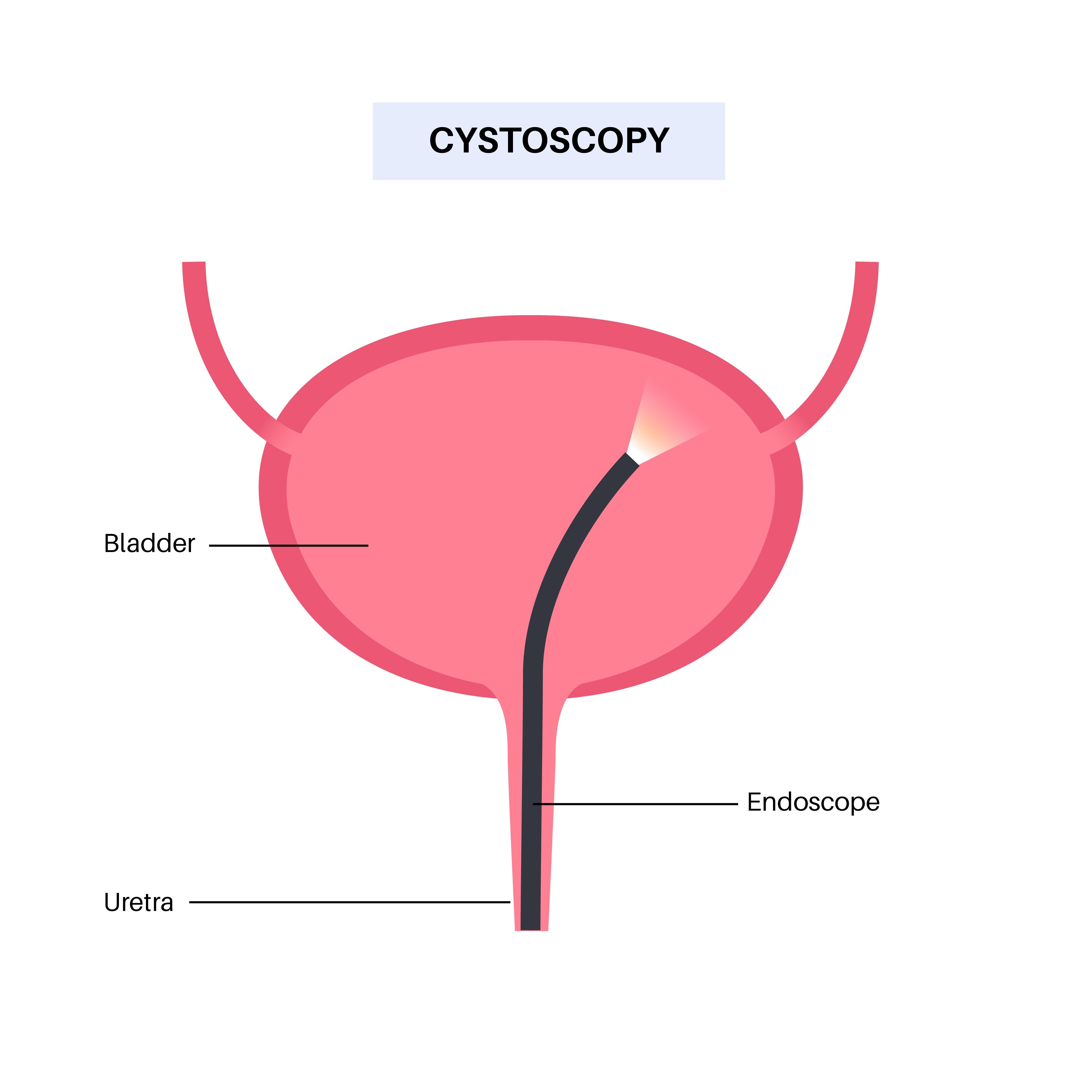
Cystoscopy is the urinary-tract test that directly shows the urethra and bladder lining. A urologist passes a thin camera through the urethra into the bladder, fills the bladder with sterile fluid, and examines its surface on a screen.
A flexible cystoscope usually uses local anaesthetic; a rigid cystoscope is more often chosen when biopsy or treatment is planned.
That direct view can reveal abnormalities that urine tests cannot see and that scans cannot confirm at the lining itself:
- A narrowed urethra, bladder stone, inflamed area, ulcer, bleeding site or suspicious growth
- The exact location, size and surface appearance of a bladder lesion
- A tissue sample taken from a suspicious area for laboratory diagnosis
- A small stone removed, a selected bleeding area treated, or a ureteric stent removed or exchanged during the procedure
This is the central reason people comparing cystoscopy benefits in pune should match the test to the question. Urinalysis and culture analyse urine; ultrasound, CT urography and MRI create images from outside the urinary tract. None gives the same direct view or allows targeted tissue sampling during inspection.
Cystoscopy does not measure kidney function, urine-flow strength, bladder pressure or post-void residual urine. It also cannot confirm bacterial infection like a urine culture. Its value is highest when the suspected problem lies inside the urethra or bladder and visual confirmation could change treatment.
Which urine and bladder-function test answers your question?
For uncomplicated urinary symptoms, start with the test that matches the suspected problem, not automatically with cystoscopy. A urinary tract test in Pune is useful only when it answers your specific question.
| Option | Best question | More useful than cystoscopy when |
|---|---|---|
| Urinalysis | Is there blood, protein, glucose, white cells or other urinary abnormality? | You need a quick, non-invasive first check for dysuria, haematuria or suspected kidney disease. |
| Urine culture | Which bacteria are present, and which antibiotics will treat them? | Burning urine suggests infection; cystoscopy cannot confirm bacteria or antibiotic susceptibility. |
| Urine cytology | Are abnormal cells being shed into the urine? | A clinician is assessing concern for some high-grade urothelial cancers; a negative result does not rule out every lesion. |
| Uroflowmetry | How fast and smoothly does urine leave the bladder? | Weak stream, hesitancy or suspected obstruction needs an objective flow reading. |
| Residual-urine measurement | How much urine remains after you void? | Incomplete emptying, retention, recurrent infections or medication-related bladder weakness is the concern. |
| Urodynamics | How does the bladder store and release urine? | Urgency, incontinence or poor emptying requires distinction between overactive bladder, outlet obstruction and weak bladder contraction. |
Cystoscopy becomes more useful when the question is visual: a urethral narrowing, bladder stone, lesion or unexplained haematuria. It does not measure bladder function, prove infection or show how well the kidneys work. One test can therefore complement, rather than replace, another.
When ultrasound, CT urography or MRI is the better starting point
Ultrasound is usually the better starting point for pregnancy, hydronephrosis, kidney size, bladder volume and selected masses because it uses no ionising radiation. It can miss small stones, ureteric disease and flat bladder-lining lesions.
| Option | Best for | Main limitation or safety point |
|---|---|---|
| Ultrasound | Kidney obstruction, hydronephrosis, bladder residual volume, some stones and masses | Bowel gas, body habitus and small lesions reduce visibility |
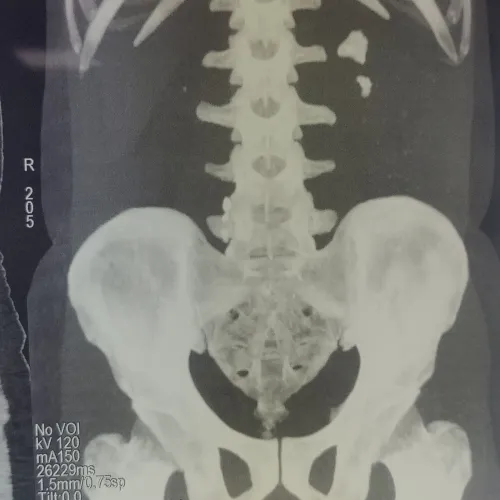
| CT urography | Upper-tract stones, ureteric obstruction, kidney masses and urothelial abnormalities | Uses radiation; contrast requires review of kidney function and allergy history |
| MRI | Soft-tissue masses and selected complex urinary-tract findings | Takes longer, costs more, and contrast decisions require pregnancy and kidney review |
| Cystoscopy | Direct inspection of the urethra and bladder lining, with possible biopsy or treatment | Does not assess kidney function or show the entire upper urinary tract |
For blood in the urine, imaging and cystoscopy answer different questions: CT urography or ultrasound examines the kidneys and ureters, while cystoscopy checks the bladder and urethra. A normal scan therefore does not automatically exclude a bladder lesion.
During pregnancy, ultrasound is usually preferred first; MRI without ionising radiation can follow when more detail is needed. CT is reserved for situations where the expected diagnostic benefit outweighs fetal radiation exposure. Compare cystoscopy alternatives in Pune by the suspected location, urgency, contrast requirement and pregnancy status, not by the test name alone.
When a clinician chooses cystoscopy after another test
Move to cystoscopy when urine tests or imaging leave a bladder or urethral problem unresolved, especially after visible blood in the urine, persistent microscopic blood, recurrent infections, suspected urethral narrowing, bladder stones, obstruction or a suspected bladder lesion. A rigid cystoscope is useful when the clinician expects to take a biopsy or treat a finding.
A positive urine dipstick does not automatically justify cystoscopy. Confirm blood with urine microscopy, then investigate the source based on your risk and symptoms. Cystoscopy also does not replace culture for uncomplicated burning urination, because culture identifies bacteria and antibiotic susceptibility.
| Finding or symptom | Better first step | When cystoscopy follows |
|---|---|---|
| Blood on microscopy or visible blood | Urinalysis, examination and imaging when indicated | Bleeding persists, recurs, or the bladder or urethra needs direct inspection |
| Burning with fever or new urinary symptoms | Urine culture | Persistent or recurrent symptoms after infection is treated |
| Weak stream, straining or retention | Residual-urine measurement and uroflowmetry | Suspected urethral narrowing, obstruction or another visible lesion |
| Suspected kidney stone or upper-tract mass | Ultrasound or CT urography | Imaging or symptoms point to a bladder or urethral cause |
| Frequency or urgency without red flags | History, urinalysis and bladder-function testing | Symptoms remain unexplained despite initial evaluation |
For cystoscopy versus other urinary tests in Pune, the clinical question matters more than the facility label. Cystoscopy is not the first choice for uncomplicated lower urinary-tract symptoms, confirmed infection, suspected kidney disease, or a bladder-emptying problem. Ask the clinician what finding the procedure is expected to confirm or treat.
Comparing discomfort, preparation and recovery at Pune facilities
Before booking, match the test to the question, then compare anaesthesia, fasting, transport and recovery time.
| Option | Preparation and discomfort | Recovery and practical limit |
|---|---|---|
| Urinalysis or culture | Clean-catch urine; no instrument and little discomfort | Leave immediately; culture confirms infection, not a bladder lesion |
| Ultrasound | Water and a full bladder may be required; painless | Leave immediately; it does not directly inspect the bladder lining |
| CT urography | Contrast, radiation, and possible kidney-function checks; brief injection discomfort | Usually immediate return; confirm pregnancy status, contrast allergy and kidney disease |
| Flexible cystoscopy | Local anaesthetic gel; pressure or burning can occur | Burning and urgency can last briefly; fever, heavy bleeding or inability to pass urine needs urgent advice |
| Rigid cystoscopy | Anaesthesia or sedation, fasting and an escort may be required | Arrange recovery time and transport; biopsy or treatment can extend recovery |
Ask the Pune clinic these questions before you reserve a slot:
- Is the planned examination flexible or rigid, and is it diagnostic only or likely to include biopsy or treatment?
- Do you need a urine culture first, especially with burning, fever or recurrent infection?
- Must you fast, stop or adjust blood thinners, arrange an escort, or bring kidney-function reports?
- What is included in the quoted fee: consultation, anaesthesia, biopsy, pathology and medicines?
- When will you receive the report, and who will explain an abnormal finding?
When comparing appointments, ask Urologist in Kothrud Pune - 08048400823 to specify the scope type, anaesthesia plan, preparation instructions and total charges rather than assuming every Pune facility follows the same process.
Related service
Urology Cystoscopy ₹25000 for diagnosis as well as treatment |
Frequently asked questions
What does cystoscopy show that urine tests and scans cannot?
Cystoscopy directly shows the urethra and bladder lining, including visible inflammation, bleeding points, stones, narrowing and suspicious growths. It also allows tissue sampling or minor treatment during the same procedure.
Which urinary-tract test should you start with?
The right test depends on your question. Urinalysis and urine culture assess infection, blood and other urine abnormalities; uroflowmetry and urodynamic testing assess bladder emptying and pressure; ultrasound assesses the kidneys, bladder and urine left after urination.
When is CT urography or MRI better than cystoscopy?
CT urography is useful for detailed imaging of the kidneys, ureters and urinary tract, especially when investigating blood in the urine. MRI provides detailed soft-tissue imaging without ionising radiation and is selected for specific pelvic or tumour questions.
Why might a urologist recommend cystoscopy after another test?
A scan or urine test can identify a concern without showing the bladder lining directly. Your urologist may recommend cystoscopy to investigate persistent blood in the urine, recurrent symptoms, suspected bladder lesions, urethral narrowing or an abnormal imaging result.
Keywords