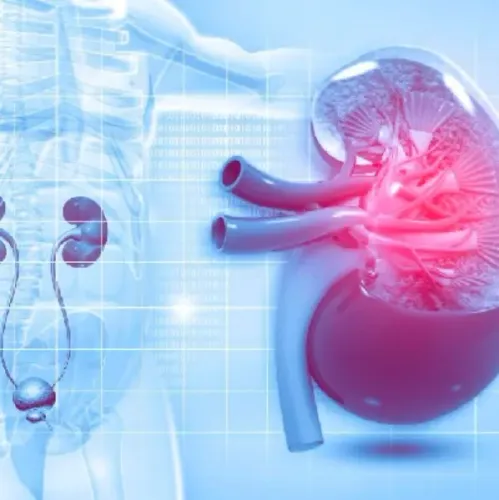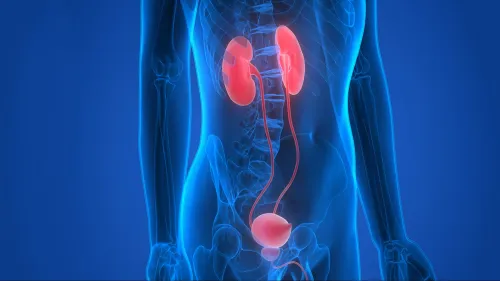
A Kothrud urologist can assess symptoms ranging from burning urination and kidney stones to urinary leakage, erectile dysfunction, infertility and suspected cancer. Knowing which service fits your symptoms, which tests may be needed and when hospital-based care is necessary will help you book the right appointment and respond quickly to warning signs.
Key takeaways
- Bring your symptom timeline, medicines, previous reports and a urine sample if requested.
- Expect questions about urination, pain, blood in urine, sexual health and family history.
- Ultrasound, urine tests, blood tests and uroflowmetry help identify common urological problems.
- Seek prompt assessment for visible blood in urine, urinary retention, fever or severe flank pain.
The service map: which problems can a urologist assess?
A urologist in Kothrud assesses urinary infections, recurrent infections, kidney and ureter stones, enlarged-prostate symptoms, visible blood in urine, leakage, difficulty passing urine, testicular conditions, erectile dysfunction, male infertility and urological cancers.
| Problem | Typical service | Possible next step |
|---|---|---|
| Urinary or prostate symptoms | Consultation, urine testing, examination and medication | Advice, antibiotics or further testing |
| Stones, blockage or blood in urine | Ultrasound, CT, cystoscopy or blood tests | Observation, an office procedure or hospital treatment |
| Leakage or retention | Symptom assessment, post-void residual measurement and bladder testing | Medicines, pelvic-floor treatment, catheter care or surgery |
| Testicular, sexual or fertility problems | Examination, semen analysis, hormone tests or imaging | Medical treatment, referral or a procedure |
| Urological cancer | Imaging, cystoscopy, biopsy and staging | Surgery or coordinated cancer care |
Your first visit may end with reassurance, practical advice and medication. Persistent, recurrent or unclear symptoms need diagnostic testing; a blockage, stone or abnormal growth can require an office procedure or hospital surgery.
Urological services Kothrud patients seek can include endoscopic and surgical care, but one clinic may not provide every test or operation on site. Cancer treatment can involve a urologist alongside an oncologist; the urologist may coordinate diagnosis and surgery while the oncologist provides chemotherapy, immunotherapy or radiation care.
What happens at the first urology appointment?
1. Expect questions about when symptoms began, how often they occur, pain location, urine colour or smell, blood, burning, fever and difficulty passing urine. The urologist will also ask about sexual and reproductive history, pregnancy status, previous operations, diabetes, neurological disease, kidney disease, and personal or family cancer risk.
2. Bring a medicine and supplement list, previous scans, laboratory reports and operative records. Include antibiotics, blood thinners and diabetes medicines; these can change test or treatment choices.
3. The examination depends on your symptoms and sex. It may include abdominal, flank, genital, pelvic or prostate assessment, blood-pressure measurement, and checking for swelling, retention or neurological causes. Age, pregnancy, kidney function, previous surgery and known cancer risk determine which examinations and services are suitable.
4. You may provide a urine sample for urinalysis and culture. Recurrent infection in a man can prompt assessment for obstruction, retention, stones or prostate involvement. Urinary leakage must be classified as stress, urgency, overflow or functional leakage before treatment is chosen.
5. The visit may end with advice or medication, or lead to blood tests, ultrasound, post-void residual measurement, cystoscopy or other imaging. Ask what is available at the urology clinic kothrud patients use and whether tests occur at another facility.
Which diagnostic tests might be part of the service?
Each test answers a different clinical question. A urologist in Kothrud for urological services chooses them according to your symptoms, examination and medical history.
| Test | Question answered |
|---|---|
| Urinalysis | Is there blood, protein, glucose or infection? |
| Urine culture | Which bacteria are present, and which antibiotics can treat them? |
| Creatinine blood test | How well are the kidneys filtering? |
| PSA | Does the prostate need assessment? Infection, inflammation, recent instrumentation and cancer can all raise PSA. |
| Ultrasound | Are there stones, blockage, kidney changes, bladder abnormalities or retained urine? |
| CT scan | Where are stones or obstruction, and how extensive are they? |
| MRI | What do the prostate, soft tissues or a suspected tumour look like? |
| Cystoscopy | Does the urethra or bladder contain a tumour, stone, narrowing or bleeding source? |
| Biopsy | Do sampled cells show cancer or another specific disease? |
| Post-void residual measurement | How much urine remains after you urinate? |
| Urodynamic testing | How do bladder pressure, storage and emptying function? |
For uroflowmetry, arrive with a comfortably full bladder and urinate normally into the measuring device. It records flow rate, voided volume and timing, but cannot identify the cause alone. A weak result can reflect obstruction, an underfilled bladder or poor effort; the urologist interprets it with symptoms, examination and residual urine.
How are stones, infections, blockage and blood in urine handled?
Stone care starts with ultrasound or CT, alongside pain and nausea control. Selected small stones can pass with observation and medical expulsive treatment. Treatment depends on size, location, obstruction, composition, infection and kidney function—not pain intensity alone.
1. Fever or chills with suspected obstruction means an infected, blocked kidney until proven otherwise. Seek emergency care: drainage with a ureteral stent or nephrostomy comes before definitive stone removal. A routine urological services Kothrud appointment is not a substitute for this.
2. Recurrent, complicated or treatment-resistant infection needs urine culture and antibiotic susceptibility testing, especially in men. Prostate involvement, stones, obstruction and urinary retention can explain persistence, so treatment may require more than a short empirical antibiotic course.
3. Visible blood in urine needs assessment even after one painless episode. Upper-tract imaging and cystoscopy can investigate stones, obstruction and urinary-tract cancer; biopsy is sometimes required when an abnormal area is found.
If a stone does not pass or threatens kidney function, procedures include ureteroscopy, shock-wave lithotripsy or percutaneous nephrolithotomy. A urologist chooses among them after reviewing imaging, infection status and kidney function.
Which services cover prostate, bladder, sexual and reproductive health?
Frequent urination, urgency, weak stream and night-time urination do not automatically mean prostate enlargement. Infection, stones, diabetes, neurological disease and bladder dysfunction can cause the same pattern.
A urologist in Kothrud may use symptom scoring, medication review, prostate examination, urinalysis, uroflowmetry and post-void residual measurement; PSA requires context because infection, inflammation, instrumentation and cancer can alter it.
Leakage treatment starts by identifying its type:
- Stress: leakage with coughing, lifting or exercise; pelvic-floor therapy and selected procedures may help.
- Urgency: leakage preceded by a sudden urge; bladder training, fluid and irritant review, medicines and selected procedures are options.
- Overflow: dribbling from incomplete emptying; the cause of retention needs treatment.
- Functional: difficulty reaching the toilet because of mobility or cognitive problems; practical support is central.
Andrology services address erectile dysfunction, premature ejaculation, low desire, penile curvature and testosterone concerns. Erectile dysfunction assessment can include blood-pressure, diabetes, lipid and medication review.
Male-infertility evaluation may include semen analysis, examination for varicocele or testicular abnormality, hormones, selected genetic tests and assisted-reproduction referral. One abnormal semen sample does not establish permanent infertility.
| Condition | Assessment focus | Common service |
|---|---|---|
| Erectile dysfunction | Vascular, metabolic and medication factors | Medical management |
| Infertility | Semen, examination and hormones | Fertility referral |
When does care require a procedure, surgery or another specialist?
Office care suits consultation and selected diagnostic or minor procedures; anaesthesia, overnight observation, postoperative drainage, or major surgery moves care to a day-surgery unit or hospital.
- Office-based care may include urine testing, uroflowmetry, post-void residual measurement, flexible cystoscopy and catheter changes. Confirm whether the clinic performs each procedure on site.
- A day-surgery unit may handle procedures under anaesthesia, including selected stone, prostate, urethral, testicular or bladder operations, when you can go home after recovery.
- Hospital care is safer when you need overnight monitoring, postoperative drainage, complex reconstruction, major cancer surgery, or treatment for serious obstruction or infection.
Open surgery uses a larger incision. Endoscopic surgery passes instruments through the urinary passage, while laparoscopic and robotic approaches use small abdominal ports. Minimally invasive does not mean risk-free; bleeding, infection, injury and recurrence remain possible. Anatomy, cancer stage, kidney function, previous operations and surgeon expertise determine the suitable approach.
A urologist treats urinary and male reproductive conditions. A nephrologist manages medical kidney disease; a general surgeon handles broader abdominal and hernia surgery; a gynaecologist manages female reproductive and pelvic conditions; an oncologist provides cancer medicines or radiation; and an andrologist focuses on male sexual and reproductive problems.
Before contacting Urologist in Kothrud Pune - 08048400823, ask about imaging, endoscopy, anaesthesia, hospital admission and follow-up. An urology clinic Kothrud patient should confirm which facility provides each part of the plan.
Related services
Urology Treatment Urology is the field of medicine that is associated with the diseases and disorders of the male and female urinary tract. View service → |
Urology Uroflowmetry ₹1200 dr Rathi's Urocare clinic Kharadi |
Frequently asked questions
What problems can a urologist in Kothrud assess?
A urologist can assess urinary infections, recurrent infections, kidney and ureter stones, enlarged-prostate symptoms, visible blood in urine, leakage, difficulty passing urine, testicular conditions, erectile dysfunction, male infertility and urological cancers.
What happens at the first urology appointment?
The urologist reviews your symptoms, duration, medical history, medicines, previous reports and family history. They may examine your abdomen, genitals or prostate and recommend tests based on your symptoms.
Which diagnostic tests might a urologist order?
Possible tests include urinalysis, urine culture, blood tests, kidney-function testing, ultrasound, uroflowmetry, a post-void residual scan, CT for suspected stones and cystoscopy for selected bladder symptoms.
How are stones, infections, blockage and blood in urine handled?
Treatment depends on the cause and severity. It can include fluids and medicines, antibiotics for confirmed bacterial infection, stone monitoring or removal, treatment to restore urine flow, and investigation of visible blood in urine rather than assuming it is an infection.
When does urological care require surgery or another specialist?
A procedure or surgery may be needed for obstructing stones, persistent blockage, selected prostate conditions, tumours or problems that do not respond to medical treatment. The urologist refers you when care requires another specialist, such as oncology or nephrology.
Related services
What is Urology? Urology is a surgical specialty which deals with diseases of the male and female urinary tract and the male reproductive organs. View service → |
Urology Cystoscopy ₹25000 for diagnosis as well as treatment |
Urological Disorders Urology is the branch of medicine concerned with the urinary tract in both genders, and with the genital tract or reproductive system in the male. View service → |
Andrology Treatment Dr Gopal Rathi Male Infertility Specialist in Pune Male-specific medical and surgical procedures involved in Andrology include vasectomy,... View service → |
Keywords